
How to Sell Land To A Developer (2026 Guide)
Selling Land To A Developer: The Basics
When you want to sell your land to developers, the core idea is straightforward: a developer pays you for your property and then builds something on it. That something might be a residential subdivision, a commercial complex, a mixed-use project combining retail and housing, or any number of other possibilities. Developers are experienced buyers with specific acquisition goals, so the process looks different from a typical residential real estate sale. Understanding what they want, how they evaluate a parcel, and what the negotiation process involves will put you in a much stronger position. This guide walks through everything you need to know so you can sell your land with confidence.
Background: Selling Land To A Developer
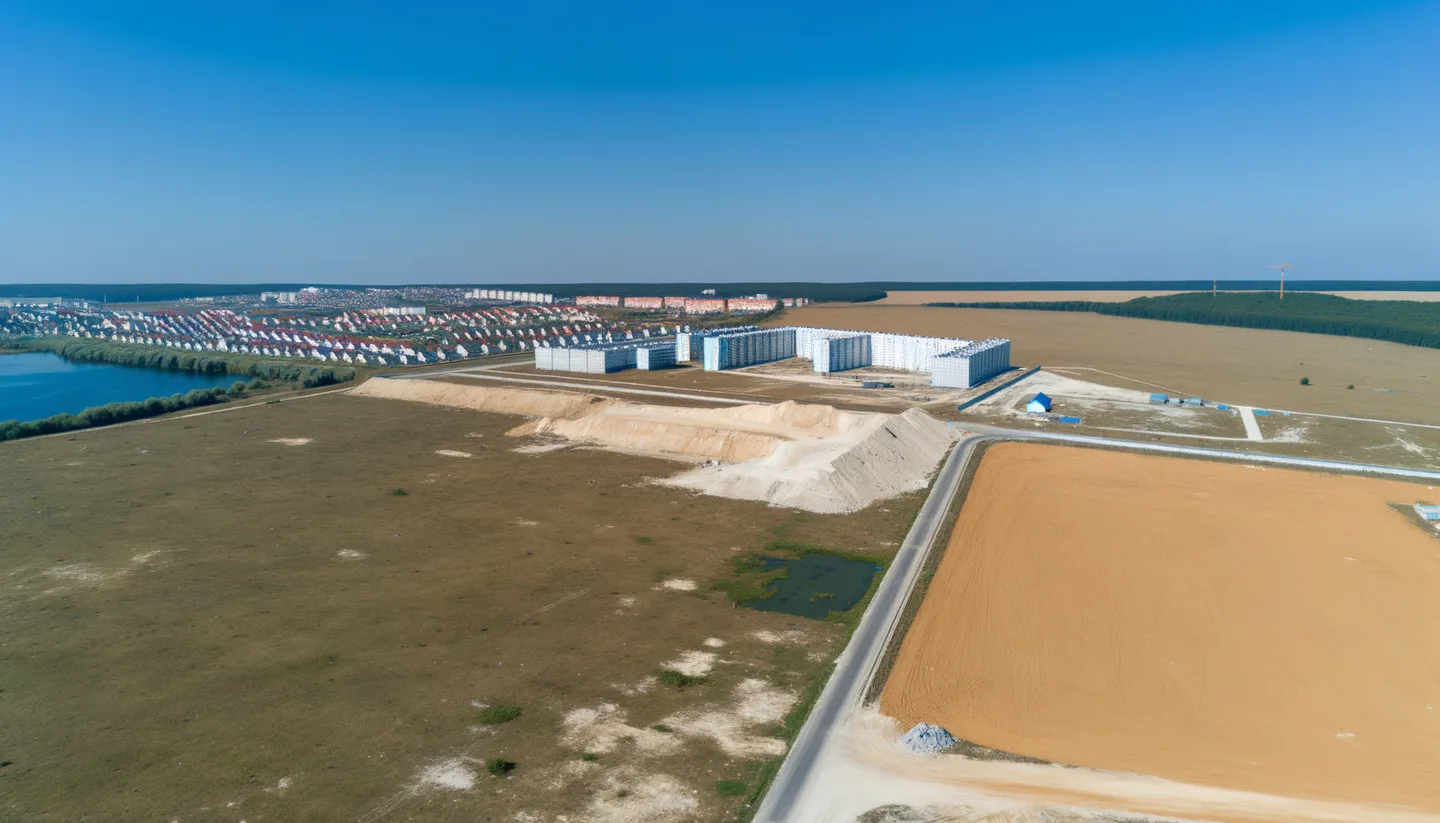
For landowners looking to sell, the developer market can seem like unfamiliar territory. Unlike selling a house, land selling involves a different set of considerations, and the buyers themselves think differently than a typical homeowner would.
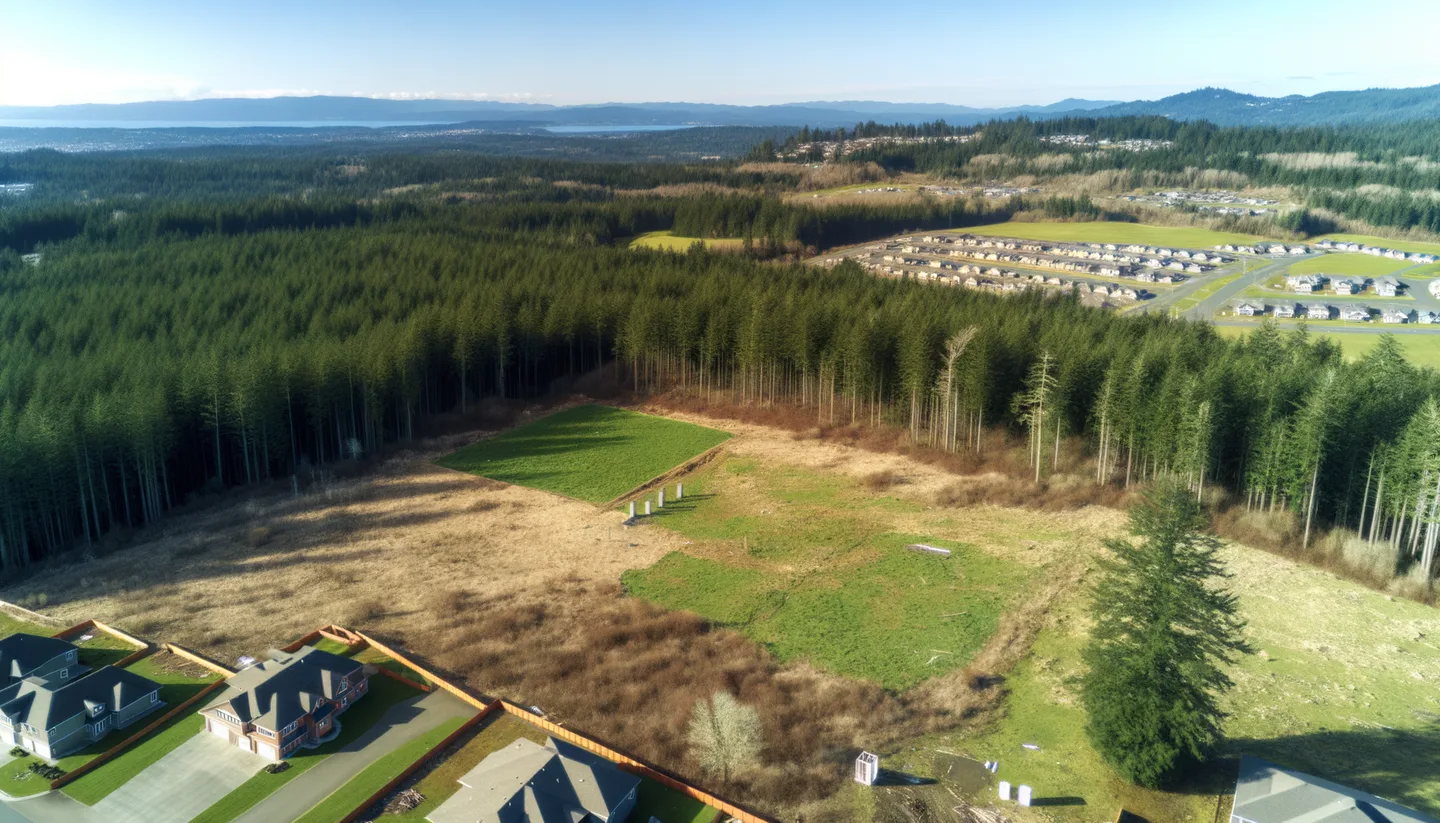
Developers often purchase property based on what they can build, not what currently exists on it. That means the purchase price is tied less to improvements and more to future potential. A piece of raw land in a growing suburb might command a price that surprises its owner, while a parcel in a stagnant real estate market could sit unsold for months. Understanding local zoning regulations, nearby development projects, and the direction that local authorities are planning for growth are all factors that shape what a developer is willing to pay.
Property owners sometimes underestimate how much work goes into a developer’s decision. Before submitting an offer, most land buyers will study zoning maps, review comparable sales, analyze development land availability in the region, and model their projected returns. The market value they land on reflects all of that research.
For any landowner, knowing your property value before entering negotiations is essential. A real estate attorney familiar with land transactions can help you interpret contracts and protect your interests. Listing your property in the right places, understanding what potential buyers in your area are actively seeking, and knowing which properties in your area have sold recently are all part of approaching the selling process with realistic expectations. The more informed you are, the better the outcome tends to be.
Step-by-Step: How to Sell Land To A Developer

Ready to sell land to a developer? Here is a practical sequence to follow.
1. Understand what you have. Before approaching anyone, research your parcel thoroughly. Pull the current zoning designation and find out whether rezoning is possible. Review any deed restrictions and check for easements. Undeveloped land with flexible zoning or strong rezoning potential is generally more attractive to buyers involved in land development.
2. Establish a realistic value. Look at similar properties that have sold in your area recently. You can also hire an appraiser who specializes in land, or consult planning consultants who understand local growth patterns. Knowing your number before negotiations begin prevents you from leaving money on the table, or overpricing and stalling the sale.
3. Identify the right buyers. Not every developer wants every parcel. Residential builders, commercial developers, and mixed-use specialists all have different acquisition criteria. Research who is actively building in your region. Look at recent permit filings, attend local planning meetings, or simply drive around to see whose signs appear on nearby construction sites.
4. Approach buyers strategically. You can sell land directly through outreach, list it with a broker who specializes in development sites, or explore structured arrangements like joint ventures or option agreements. Option agreements, in particular, allow a developer to control the property for a defined period while pursuing entitlements, with the actual sale occurring only if approvals come through.
5. Negotiate and structure the deal. The sale process often involves contingencies tied to due diligence, environmental review, and zoning approvals. Understand what each contingency means for your timeline. Selling to a developer with fewer contingencies typically means a faster closing but sometimes a lower offer.
6. Close the sale. Work with a real estate attorney to review all contracts before the sale of your property is finalized. A clean title, clear disclosures, and organized documentation make for a successful sale.
What to Watch Out For When Selling Land To A Developer
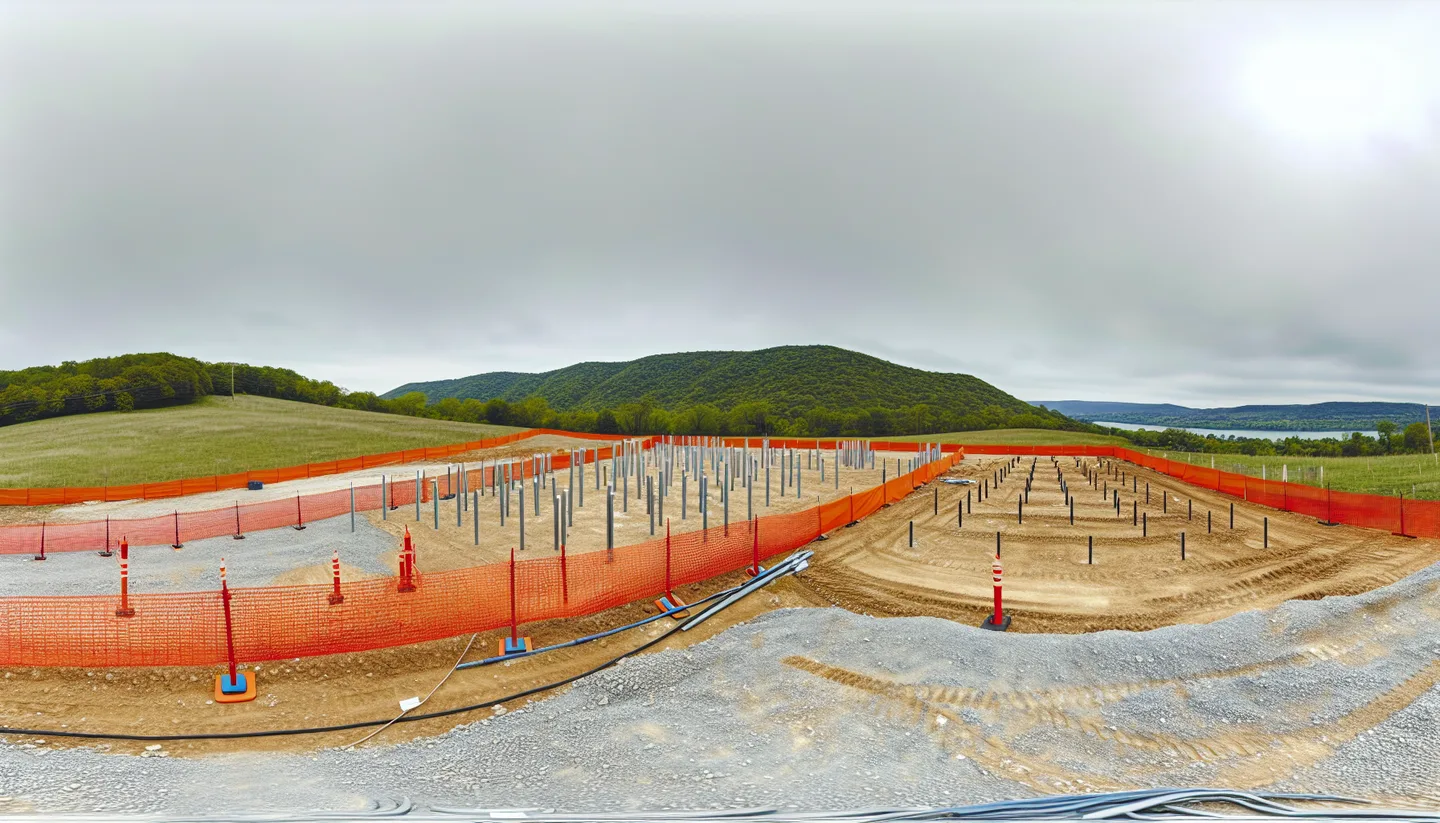
The process of selling land to a developer is not without its complications. Being aware of the common pitfalls helps you protect yourself.
Environmental liability. Under federal CERCLA law, property owners can be held strictly liable for contamination even if they did not cause it. Land developers will typically order a Phase I Environmental Site Assessment before closing. According to EPA guidance, these assessments must comply with ASTM standard E1527-21 to satisfy All Appropriate Inquiries requirements. Phase I ESAs typically cost $2,000-$5,000. If environmental conditions become an issue, they can kill a deal or reduce land value significantly. Knowing about any problems early gives you time to address them.
Lowball offers. Developers are skilled negotiators. Land acquisition can represent 20%-50% or more of a total development budget according to industry research, so they are motivated to keep that cost low. Having an independent appraisal and understanding the potential for development on your parcel gives you a basis for pushing back on an unfair offer.
Long contingency periods. When land for development requires rezoning or planning approvals, developers often build lengthy contingency windows into the contract. During that period, your property may be effectively off the market. Make sure any option or contingency period is reasonable and includes protections for you if the deal falls through.
Choosing the right advisors. A real estate agent who specializes in commercial real estate or commercial property transactions will understand developer negotiations far better than a general residential agent. Similarly, having legal counsel review contracts before you sign is worth the cost.
Due diligence disclosures. Be transparent during due diligence. Withholding information about known issues with a sale of land can create legal exposure after closing. Full disclosure protects both parties and keeps the deal on track. The goal is to market your land accurately and let potential land developers make an informed decision.
Selling Land To A Developer FAQ
How much will a developer pay for land?
There is no single answer, because the value of your land depends on location, size, zoning, current market conditions, and what the developer plans to build. According to industry data, land acquisition typically represents 20%-50% or more of a total development budget, which means developers model their offer carefully around projected profits. Current market trends in your area, the availability of comparable sites, and the strength of the local economy all factor in. Consulting an appraiser who works with development sites will give you the most grounded starting point before you enter negotiations.
How to avoid paying capital gains when selling land?
You cannot eliminate capital gains tax entirely, but you can defer it. A 1031 like-kind exchange, under IRC Section 1031, allows you to defer federal capital gains tax by rolling your proceeds into a qualifying replacement property. The IRS requires you to identify a replacement property within 45 days and close on it within 180 days. Keep in mind that a 1031 exchange is tax-deferred, not tax-free. If you eventually sell the replacement property without another exchange, the deferred gains become taxable. Long-term capital gains rates for land held more than one year are 0%, 15%, or 20% depending on your income. Consult a tax professional for guidance specific to your situation. You can also review IRS Topic No. 409 for more detail.
Can You Sell Land to a Developer Without a Solicitor?
In the United States, the term “solicitor” is not commonly used, but the underlying question is whether you need an attorney. Technically, no law requires you to hire one in most states, though some states including Georgia, New York, South Carolina, and Massachusetts legally require an attorney to close real estate transactions. Even where it is not required, having a real estate professional or attorney review the contract is strongly advisable. Developers use experienced legal teams. A vacant lot or larger vacant land parcel may come with complex contingencies, title issues, or environmental riders that are easy to overlook. Attorney closing fees typically run $500-$1,500, a small cost relative to the protection they provide. Consulting potential developers early and having qualified advisors in your corner gives you the best chance of a clean, fair transaction.
Your Options for Selling Land To A Developer
Selling land to developers involves research, preparation, and the right advisors in your corner. From understanding environmental conditions and environmental assessments to negotiating deal structure with a real estate developer, each step matters. The good news is that landowners who take the time to understand the process consistently get better outcomes than those who rush in unprepared.
If you are ready to explore your options or simply want a no-pressure conversation about what your land might be worth, reach out to our team. We are happy to answer questions and help you think through the best path forward for your situation.
Need to sell your land? We buy land directly from owners for cash, with no fees, no commissions, and we close in as little as 2 weeks.
Loading form…