

How to Sell Land Online Fast
How to Sell Land
If you want to sell your land, you have more options today than ever before. Whether you own a small piece of land in a rural county or a large tract of agricultural land near a growing city, the internet has made it genuinely easier to connect with buyers without hiring a professional.
To sell land online, your basic path looks like this: price the property accurately, gather your documents, create a listing on one or more platforms, and close through a title company or real estate attorney. You can list on real estate websites such as Zillow, Lands of America, or LandWatch, or even sell land on Facebook Marketplace to reach local buyers quickly. If you prefer to avoid agent commissions, selling online without a realtor is a realistic and increasingly common choice.
It helps to understand that vacant land attracts a different pool of buyers than residential homes do. Buyers want to know how the land can be used, what utilities are available, whether there is road access, and what the zoning allows. The more clearly you answer those questions in your listing, the faster a land sale tends to move.
For landowners who need to sell land fast and do not want to navigate online land sales themselves, selling directly to a land buying company is another path worth knowing about. This guide covers all the major options so you can choose what fits your situation.
Land Online: Background and Context
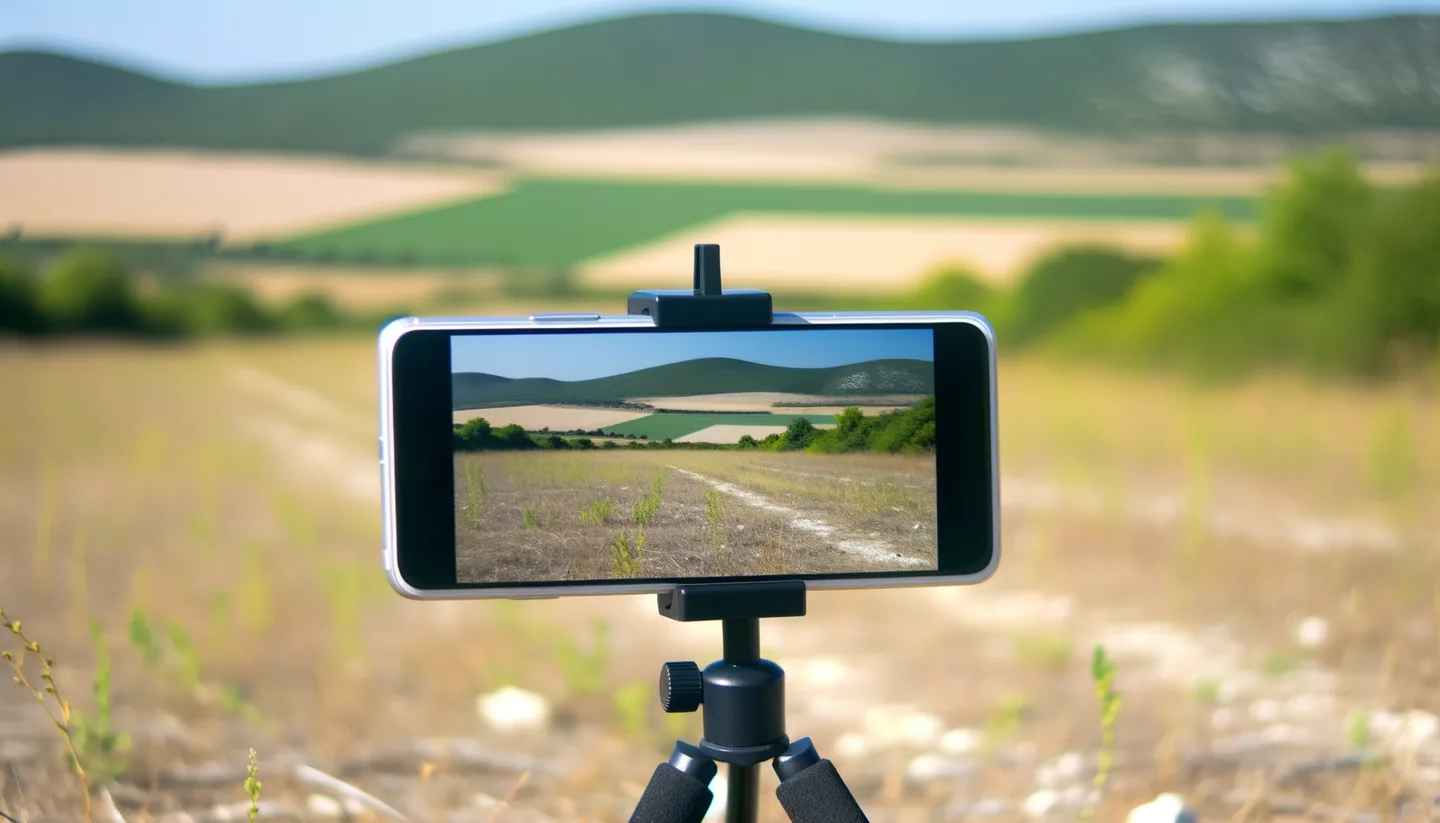
The way people buy and sell land has shifted dramatically over the past decade. Buyers who are looking for land no longer flip through classified ads or drive around looking for posted signs. They search online, filter by acreage and price, study satellite maps, and research zoning before they ever contact a seller. If you have land to sell, that shift works in your favor, but only if you know how to use the available tools.
There are several websites for selling land that cater specifically to rural and undeveloped property. Platforms like LandWatch, Lands of America, and Land And Farm are built for exactly this type of real estate. They attract buyers who are already interested in purchasing vacant lots, farms, ranches, and timberland. General real estate listings sites like Zillow and Realtor.com also reach a broad audience and allow you to list your land for free or at low cost. Some platforms even let you list your land without paying anything upfront, which makes it possible to sell land online for free if you are willing to manage the process yourself.
One important thing to know is that selling land and selling a traditional home are not the same process. Land has a much smaller pool of active buyers, financing can be harder for purchasers to obtain, and the timeline is often longer unless you are willing to price aggressively or offer seller financing. Understanding this difference helps you set realistic expectations before you put your land on the market.
There are also legal considerations when selling land that every owner should understand before signing anything. Real estate transactions involving land require a valid purchase agreement, a properly prepared deed, and in most cases, a title search. The Fair Housing Act applies to online advertising as well. According to the National Association of REALTORS, the Act prohibits any language in listings or advertising that shows preference or limitation based on race, color, religion, sex, national origin, disability, or familial status. This applies to website postings, social media, and any other format you use to market your land.
The right online platform offers something different depending on what you need. Some platforms offer broad exposure to casual browsers, while a land-specific platform connects you with serious buyers who understand rural property and land use. Knowing which platform fits your property type helps you avoid common pitfalls when selling land online, such as attracting unqualified inquiries or pricing based on the wrong comparable sales.
If you want to successfully sell land on your own, preparation matters as much as where you list. Buyers in today’s market are informed. They will research the parcel independently, check county records, and compare your asking price against similar sales in the area. Sellers who come prepared with clear information, accurate pricing, and clean title tend to close faster. That is the foundation of any way to sell land that actually works, and it is what allows you to sell your land fast without relying on an agent to manage the details for you.
Keep in mind that plots of land in different regions attract very different buyer profiles. A rural parcel in the Midwest may appeal to farmers or hunters, while land in your area near an expanding suburb may interest developers. Knowing your likely buyer helps you tailor your listing to speak directly to them, which is one of the most effective ways an online platform can help you sell.
Step-by-Step: How to Sell Land Online

If you are looking to sell your land without a real estate agent, a clear process makes the experience far less stressful. Below is a practical guide to selling land online from start to finish.
Step 1: Gather Your Property Information
Before you create any listing, pull together the basics: your parcel number, legal description, acreage, zoning classification, and any survey documents you have on file. Buyers will ask about access, utilities, and any restrictions on the property. Having those answers ready saves time and builds credibility. One key difference between selling land and selling a home is that buyers often cannot tour the property physically, so they rely heavily on the information you provide.
Step 2: Price It Accurately
Pricing is where many sellers lose momentum. Overpriced land sits on the market for months, and buyers begin to wonder what is wrong with it. Look at recent comparable sales in your county using free tools like the USDA’s land value data or your county assessor’s website. Rural land prices nationally are expected to hold steady or increase by 0% to 3% through 2026, according to a Land Boss analysis, which means accurate pricing and strong presentation matter more than ever.
Step 3: Prepare Your Land for Listing
You do not need to make major improvements, but you should prepare your land visually. Take clear photos during good lighting conditions. If you can access a drone, aerial shots are one of the most effective ways to showcase acreage and surroundings. Mark the boundaries clearly if possible, and note any features that add value, such as water access, mature timber, or proximity to highways.
Step 4: Choose the Right Platform
Decide whether you want to list on a land-specific site, a general real estate platform, or both. Facebook Marketplace works well for reaching local buyers. Sites that specialize in land tend to attract more serious inquiries. For rural or agricultural parcels, a platform that specializes in land will usually outperform a general home-sale site.
Step 5: Write a Clear, Honest Listing
Describe the property factually. Include acreage, location relative to nearby towns, zoning, access, utilities, and any known restrictions. Avoid vague phrases like “great investment opportunity” without backing them up. A buyer looking to buy your land wants specifics, not marketing language.
Step 6: Handle Offers and Due Diligence
When offers come in, review them carefully. A serious buyer will request time for due diligence, including a title search and sometimes a survey. This is normal. Whether you sell through an online listing or through a direct buyer, be prepared for this stage to take a few weeks.
Step 7: Close Through a Title Company or Attorney
Avoid common pitfalls when selling land by never skipping professional closing services. A licensed title company or real estate attorney ensures the deed is properly prepared and recorded, and that all required documents transfer title correctly. When selling online without a realtor, this step is especially important because you do not have an agent managing the paperwork for you. Your land without a realtor can close smoothly, but only when the closing is handled by a qualified professional. Selling online without this step creates legal and financial risk.
Land Sale: Key Considerations
Before you decide on an approach, it helps to think through a few factors that affect how quickly and smoothly a land sale moves from listing to closing.
Choosing the Right Platform
Not every platform is built the same way. The best websites to sell land tend to be those designed specifically for rural and undeveloped property, such as LandWatch, Lands of America, and Land And Farm. These land selling websites attract buyers who are already searching for vacant or agricultural property, which means your listing is in front of people who are ready to act. General platforms like Zillow are worth using as well, but a land-specific platform usually produces more qualified leads. There are also websites to sell property through auction, which can work well for unique or hard-to-price parcels.
Pricing and Closing Costs
When you need to sell your land quickly, pricing correctly from the start is more effective than cutting the price after months on the market. To price your land accurately, look at recent sales of comparable parcels in the same county. Be aware that closing costs add up. According to Landmodo, sellers who choose to sell land online without a real estate agent typically pay 1-3% of the sale price in closing costs, covering title work, deed recording, and transfer taxes. Using a full-service agent can push total costs to 8-12% once commissions are included.
Real estate transfer taxes are also a factor. According to PropertyShark, most U.S. states levy a transfer tax that must be paid before or at the moment of deed recording. The rate varies by state, county, and municipality, so check your local requirements before estimating your net proceeds.
Tax Implications
If your parcel has appreciated in value, the IRS will want its share. According to IRS Topic No. 409, land held for more than one year is taxed at the long-term capital gains rate of 0%, 15%, or 20% depending on your taxable income. Property sold after one year or less is taxed as ordinary income at short-term rates ranging from 10% to 37%. For 2025, a single filer pays 0% long-term capital gains tax if total taxable income is $48,350 or less, according to Bankrate.
If you plan to reinvest the proceeds, a 1031 exchange may allow you to defer federal capital gains tax entirely. Under IRS Section 1031, you must identify a replacement property within 45 days of closing and complete the purchase within 180 days. The sale proceeds must be held by a qualified intermediary throughout the process. If you receive the funds directly, the IRS treats it as a taxable sale.
Working with Professionals
Some sellers choose to work with a land broker or specialist who understands how to showcase the land effectively to the right audience. A land listing created by someone who knows the market often performs better than one created without that context. Whether you need help with pricing, marketing, or negotiation, land selling professionals can add real value, especially for larger or more complex parcels.
Common Questions About Selling Land By Owner
What is the best site to sell land?
There are many online platforms designed to connect sellers with buyers, but the best one depends on your property type. For rural, agricultural, and undeveloped parcels, land-specific websites to sell your land, such as LandWatch, Lands of America, and Land And Farm, tend to attract the most serious prospective land buyers. These sites reach people who are already interested in buying land rather than homes. For local visibility, Facebook Marketplace and Craigslist can also generate quick inquiries. Many sellers list on multiple sites at once to get their land in front of as many qualified buyers as possible.
Can You Sell Land Online Without An Agent?
Yes, and many landowners do it successfully. You can sell land by owner using land listing platforms, general real estate sites, and social media. The process requires more hands-on work from you, including writing your own listing, communicating with buyers, and managing due diligence. The financial benefit is significant since you avoid paying a commission. Just make sure you still use a licensed title company or real estate attorney to close the transaction. Skipping professional closing services is one of the most common mistakes sellers make when selling property on their own.
Can I Sell Land to the City or County in Texas?
Yes, local governments sometimes purchase private land for parks, road projects, utilities, or conservation. If your land is related to a public use project, your city or county may approach you with an offer, a process known as acquisition. You can also proactively reach out to your local government to inquire. Keep in mind that government purchases often move slowly and may not reflect full market value. If time matters, selling through a private land buyer or listing online usually produces faster results.
How difficult is it to sell land?
It depends on the type of land and how it is priced. Well-priced parcels with road access, clear title, and usable zoning tend to sell in a reasonable timeframe. Properties with access issues, unclear boundaries, or title problems take longer. The land buyer pool is smaller than the pool for residential homes, which means patience is sometimes required. Listing on the right platform, pricing accurately from day one, and providing detailed information about the property are the three factors that most consistently reduce time on market. Working with a serious land buyer directly is also an option if speed is a priority.
Curious about whether you can sell land without utilities or road access?
You can sell your land online even if it lacks utilities or a formal road easement, but those factors will affect your pricing and your buyer pool. Many cash buyers and investors specifically buy and sell land that is undeveloped, off-grid, or difficult to access. The key is to disclose the situation clearly in your listing and price accordingly. Highlight the best features the property does have, such as scenic views, water features, or proximity to public land. Transparency about limitations helps you attract buyers who are genuinely interested rather than wasting time with buyers who will walk away after due diligence.
Ready to Sell Your Land? Next Steps
Selling your land by owner is entirely achievable with the right preparation and the right platform. Start by pulling together your property details, researching comparable sales, and deciding which listing approach fits your timeline and goals. A well-crafted online listing with clear photos, accurate pricing, and honest details can attract serious buyers and move a parcel to closing in as little as 2 weeks under the right conditions.
If managing the listing process feels like more than you want to take on, or if you simply want a faster and more predictable outcome, selling directly to a professional land buyer is worth considering. There are no commissions, no listing fees, and no waiting on buyer financing. The land by owner route gives you control, while a direct sale gives you speed and certainty.
If you are unsure which path fits your situation, we are happy to answer your questions. Reach out anytime to talk through your options with no obligation. We are here to help, not to pressure you into anything.
Need to sell your land? We buy land directly from owners for cash, with no fees, no commissions, and we close in as little as 2 weeks.
Loading form…