

Sell Land Fast: Guide for Landowners
How to Sell Your Land
If you are looking to sell land you own, the path forward depends on a few key factors: your timeline, the type of land you have, and how much work you want to put into the process. At a high level, you have three main options. You can list your property with a land broker or agent, sell it yourself, or accept a cash offer directly from a buyer. Each path has real trade-offs in speed, cost, and effort.
The fastest route is usually working with a buyer who specializes in land purchases and pays cash. If you want to make your land more appealing to buyers before listing, that takes more time but can increase your final price. For sellers who are not in a rush, hiring a land broker and listing on the open market often yields the highest offers. This guide walks you through all your options so you can choose the approach that fits your situation best.
Background: Selling Land Fast
Most landowners are surprised to discover how to sell land is a fundamentally different process than selling a house. Raw land does not have the same broad buyer pool, and lenders treat it very differently. According to ASAP Cash Offer, raw land languishes on the market for an average of 12.4 months, while residential homes typically turn in under 45 days. That gap exists because buyers need extra time to investigate zoning, utilities, access, and environmental conditions before committing.
If you want to sell land fast, understanding what slows down a typical land transaction is the first step. One major factor is financing. Banks have restricted loans for land to a maximum of 50% Loan-to-Value in the current environment, meaning buyers who need to secure traditional loans for land must come up with large down payments. Many simply cannot. That makes it harder to sell your property on the traditional market and is exactly why a cash offer on your land often closes so much faster.
There are several practical tips for selling land that apply regardless of which route you choose. First, know your parcel. Understanding the best use of your land, whether that is agriculture, development, recreation, or something else, helps you target the right audience. An agent who specializes in land sales thinks very differently than a typical residential agent, and that expertise plays an important role in selling land at a fair price. A land specialist knows where to list your land, how to price a plot of land accurately, and which buyers are most likely to move quickly.
If you want to sell your land without involving a real estate agent, that is entirely possible. Many landowners choose to sell land by owner to avoid commission costs. Others prefer to list your property on platforms where potential land buyers are already searching. Some want to sell land without a real estate agent but still want professional guidance on paperwork. Whatever your preference, preparing your land before you go to market can make it significantly more attractive to buyers and help you move unused land faster than you might expect.
The key is matching your strategy to your goals. If speed is the priority, working with companies that buy land for cash or finding a buyer directly is usually the most efficient path. If maximizing price matters more, a longer marketing effort is often worth it. Understanding your situation honestly at the start of the land selling process saves you time and frustration later.
Step-by-Step: How to Sell Land Fast
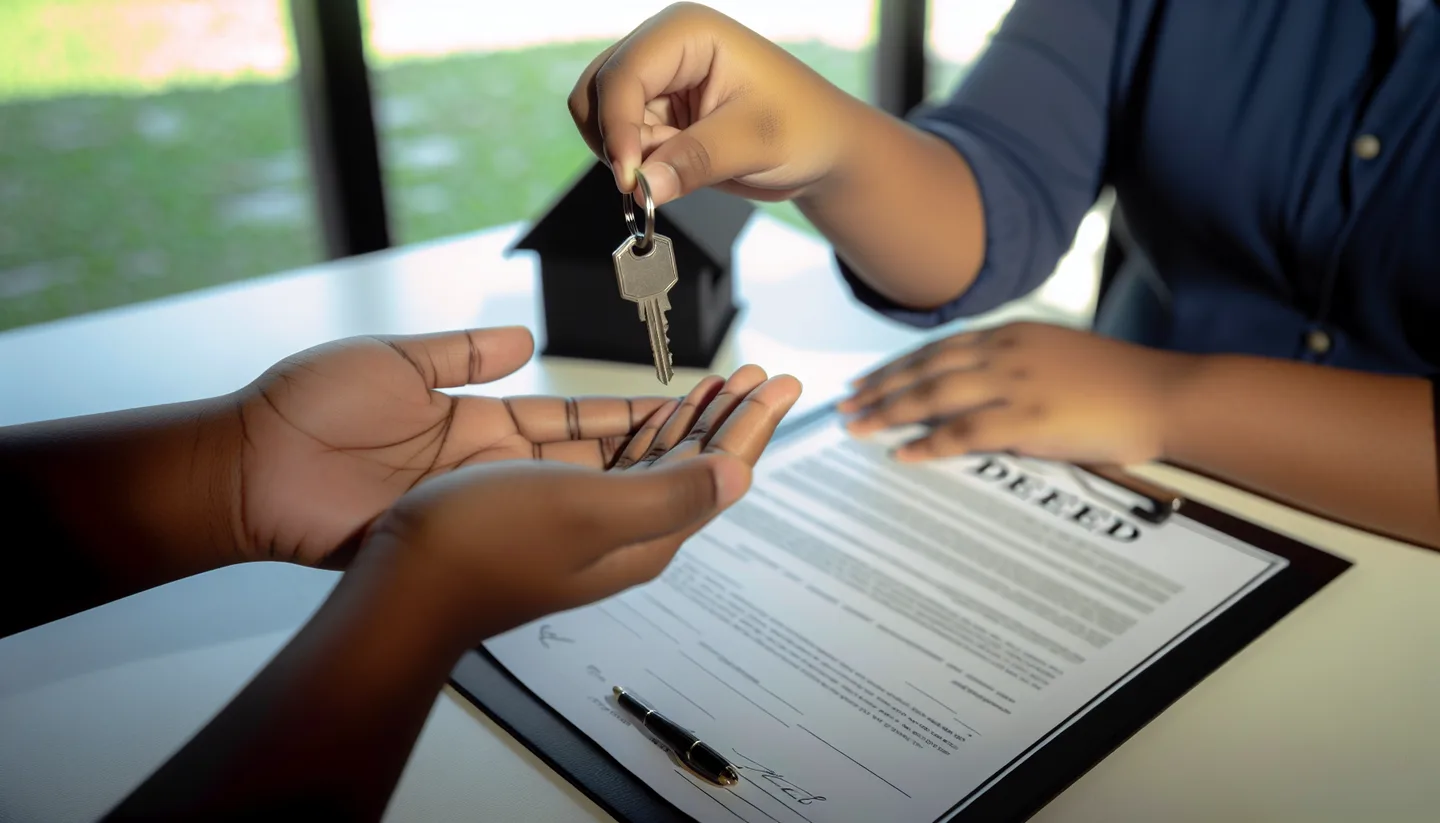
Following a clear process is the most reliable way to sell your land quickly without leaving money on the table. Here is a practical approach you can follow from start to finish.
Step 1: Establish your land valuation. Before anything else, you need to understand the market value of your land. Look at recent land sales in your area for comparable parcels. Consider acreage, zoning, road access, utilities, and location. If you are not sure where to start, a local appraiser or a land specialist can give you a professional opinion. Pricing accurately from the beginning is critical, overpriced land sits, and sitting land loses momentum with buyers.
Step 2: Decide how to position your land. Think about who is actively looking for land like yours. Farmers, developers, builders, hunters, and investors all have different needs. Understanding your most likely buyer changes how you describe the property and where you advertise it. Work with a land professional or do your own research to identify which buyer type is the best fit for what you are selling.
Step 3: Gather your documents. A smooth sale of land requires clean paperwork. Pull together the deed, a recent survey if you have one, property tax records, any existing easements, and documentation of zoning or permitted uses. Having these ready speeds up due diligence and signals to the buyer that you are a serious seller.
Step 4: Choose your sales channel. You have several options for advertising your land. You can list on land-specific marketplaces, hire an agent, or reach out directly to companies that buy land for cash. Each channel reaches a different audience. Listing on the open market gives you broader exposure. Going directly to a cash buyer means fewer showings and a faster close, sometimes in as little as 2 weeks.
Step 5: Evaluate land offers carefully. Do not just look at the number. Consider the contingencies, the closing timeline, and how the buyer plans to fund the purchase. Cash offers with fewer conditions are often worth more in practice than a higher offer that depends on financing. If you need to sell vacant land on a tight schedule, a clean cash offer is usually the easiest way to sell and the most predictable path to closing.
Step 6: Close the deal. Once you accept an offer, a title company or real estate attorney will handle the closing process. They will confirm clear title, handle the transfer of funds, and record the deed. Stay responsive during this phase, delays on the seller’s side are one of the most common reasons closings can get pushed back.
Potential Challenges When Preparing Your Land

Even when you are ready to sell, a number of obstacles can slow things down. Knowing what to expect lets you address problems before they derail a deal.
Title issues. Cloudy title is one of the most common reasons a successful land sale falls apart at closing. Old liens, easements that were never recorded properly, or unclear ownership from an inherited property can all create problems. Running a title search early gives you time to resolve issues before they scare off land buyers.
Access and zoning. If your parcel lacks legal road access or has restrictive zoning, that limits your buyer pool significantly. Professional land buyers who pay cash are often more willing to purchase land with these complications than traditional buyers, but you should still expect it to affect your land value and the price you are offered.
Environmental concerns. Wetlands, flood zones, or contamination history can complicate or delay any land transaction. Some buyers will walk away entirely; others will factor it into a lower offer. Knowing what is on your land before you list helps you set realistic expectations.
Tax considerations. When you need to sell your land, taxes are part of the picture. Capital gains on land held for more than one year qualify as long-term capital gains with a maximum federal rate of 20%, according to Mauldin and Jenkins CPA. Gains on land held one year or less are taxed as ordinary income at rates up to 37%. High earners may also owe the 3.8% Net Investment Income Tax on all or part of their gain. Consulting a tax professional before you sell your land can help you plan around these costs.
One strategy worth knowing about is a Section 1031 exchange. Under 26 U.S. Code Section 1031, you can defer capital gains taxes by reinvesting proceeds into like-kind real property. The IRS gives you 45 days to identify replacement properties and 180 days to close on them.
If you are thinking about the best way to sell your land without a real estate agent, weigh the commission savings against the time and effort required to market effectively. A land buying company can simplify this entirely. There are no commissions, and the process is straightforward. Whether you choose to sell land by owner, go through an agent, or use a direct buyer, the strategies to sell your land fast all share one common thread: preparation. A faster sale almost always starts with knowing your property inside and out before the first conversation with a buyer.
Land Buyers FAQ for Landowners
What is the best way to sell your land?
The best way to sell land depends on your priorities. If you want the highest possible price, listing with an agent who specializes in land and giving it time on the market is usually the right move. If speed matters more, reaching out directly to a land buying company is typically the fastest and simplest option. Many sellers find that getting a direct cash offer first gives them a useful baseline, even if they ultimately decide to list publicly. Listing land online through dedicated land marketplaces also helps you find buyers for your land who are already searching for exactly what you have.
How can I sell your land faster?
There are a few things that consistently help you sell faster. Price the property accurately from the start. Overpricing is the single biggest reason land sits. Make your property stand out by providing clear photos, boundary maps, and any documentation buyers will need for due diligence. Reduce contingencies where you can. And consider whether a cash buyer might be the right fit, cash transactions close in as little as 2 weeks, compared to 30-45 days or more for financed deals. These steps can genuinely help you sell faster without sacrificing a fair price. A land specialist can also help you sell your land by connecting you directly with buyers who are actively searching for parcels like yours.
Do I need a realtor to sell land?
No, you do not. Selling your land by owner is a legal and often practical option, especially if you are comfortable handling the paperwork or plan to work with a title company. However, a land by owner sale does require more effort on your part in terms of marketing, negotiation, and due diligence coordination. An experienced agent can make the process smoother, particularly for larger or more complex parcels. The trade-off is typically a commission of 5-10% of the sale price. Whether you hire an agent or not, working with a title company or real estate attorney to handle the closing is strongly recommended.
Are there any costs to sell your land to a land buying company?
Most reputable land buying companies do not charge sellers any fees or commissions. The offer they make is typically what you receive at closing, minus any transfer taxes or standard closing costs that may apply in your state. Real estate transfer taxes vary by state and range between 1% and 5% of the sale price nationwide, according to PropertyShark. It is always worth asking upfront what costs, if any, are related to the land sale before you sign anything. Transparency on this point is a good sign that you are dealing with a professional buyer. Land sales can provide a fast and low-friction exit when you work with a company that is upfront about how the process works.
Do you own land and you want to sell it?
If you own land and want to sell it, you are in good company. Many landowners inherit property they do not use, hold parcels that no longer fit their plans, or simply decide that selling makes more financial sense than holding. Land often sits idle for years because owners are not sure where to start. The good news is that the process does not have to be complicated. Start by understanding what your parcel is worth, then decide whether you want to list it, sell land quickly through a direct buyer, or explore a mix of both. If you want to walk the land with a buyer or get an offer without any pressure, a professional land buying company can usually arrange that quickly. Selling a home and selling land share some similarities, but land requires a more targeted approach to attract the right buyer.
The Best Way to Sell: What to Do Next
Selling land does not have to be a drawn-out process. Whether you choose to list with a real estate agent, market the property yourself, or work directly with a cash buyer, a little preparation goes a long way toward a smooth land sale. The selling process moves fastest when you know your numbers, have your documents ready, and understand who your potential buyers are.
If you are not sure where to start, the simplest next step is to reach out and share the basics about your parcel, location, size, and current use. From there, you can get a sense of your options without any obligation. A second land sale conversation costs you nothing, and it often gives you the clarity you need to move forward with confidence. Whenever you are ready, we are here to help.
Need to sell your land? We buy land directly from owners for cash, with no fees, no commissions, and we close in as little as 2 weeks.
Loading form…